
Have you ever gotten that feeling right from the moment you enter a hotel? You’re in one hotel room and completely relaxed, but another room with the same furniture and facilities somehow just isn’t right. That difference is not a coincidence. The right kind of hotels are those that get just the right combination of small design and service decisions, including the lighting temperature, the mattress’s firmness, and how quickly you are attended to at the reception desk.
Here we will explore what makes one hotel more comfortable than another, and if you want to see these principles in practice, Binayak Palace Premium is built around exactly this kind of guest-first comfort.
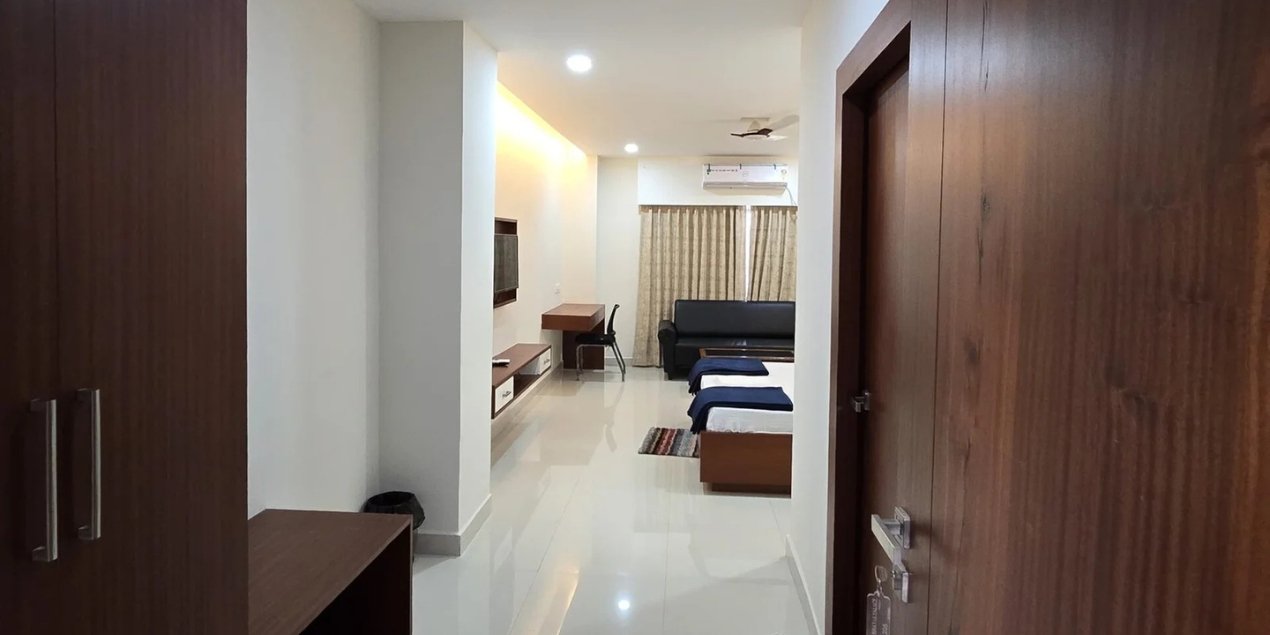
What Makes a Hotel Comfortable? The Core Elements
Hotel comfort isn’t one thing; it’s a combination of physical design, sensory experience, and service quality. Guest satisfaction studies consistently point to the same handful of factors, whether the property is a boutique stay or a large banquet-and-hospitality complex.
| Comfort Factor | Why It Matters |
|---|---|
| Room ambience (lighting, temperature, sound) | Sets the emotional tone the moment you walk in |
| Bedding and mattress quality | Directly affects sleep quality, which affects the rest of your trip |
| Air quality and ventilation | Poor airflow is one of the fastest ways to make a room feel unpleasant |
| Layout and space planning | Cramped or awkward layouts create subconscious stress |
| Cleanliness and maintenance | Small lapses (stains, smells, worn fixtures) break trust instantly |
| Staff responsiveness | Comfort isn’t just physical — it’s knowing help is available |
| Noise insulation | Uninterrupted rest is one of the top-rated comfort factors in guest reviews |
None of these work in isolation. A beautifully designed room with poor soundproofing, or attentive staff working in a poorly ventilated building, still leaves guests unsatisfied. Real hospitality experience comes from getting all of these right at the same time, and it’s usually the properties that treat comfort as a discipline, not a decorating choice, that guests keep coming back to.
Psychology Behind Room Ambience
Ambience is what guests first perceive, usually in the first few seconds after the door opens to the guest room, mainly as a mental reaction and scarcely a physical one. The temperature, colour, and feel of a room all carry psychological weight before a guest ever unpacks a bag.
- Lighting: Warm, soft light (instead of extremely white light) signals rest and safety
- Colours: Natural, muted hues bring about lower stress than bright or clinical-looking colour schemes
- Scent: A neutral, clean scent is closely tied to the perception of cleanliness
- Sound: Even the softest background noise from HVAC systems can leave an impression of discomfort, even if unnoticed consciously
- Symmetry and order: Visually arranged rooms feel calmer than cluttered ones, even at the same size
- Room temperature on arrival: A room that’s too hot or too cold on entry creates a negative first impression that’s hard to fully recover from
- Touch: Soft furnishings, cushions, throws, and upholstered headboards create comfort before a guest even gets into bed
Ambience is the first and most important thing for hotels to get right. It’s a shift in thinking: rather than asking “how does the room look in the photograph,” the better question is “what would a guest coming home late at night, tired and a bit stressed, feel about this room?”
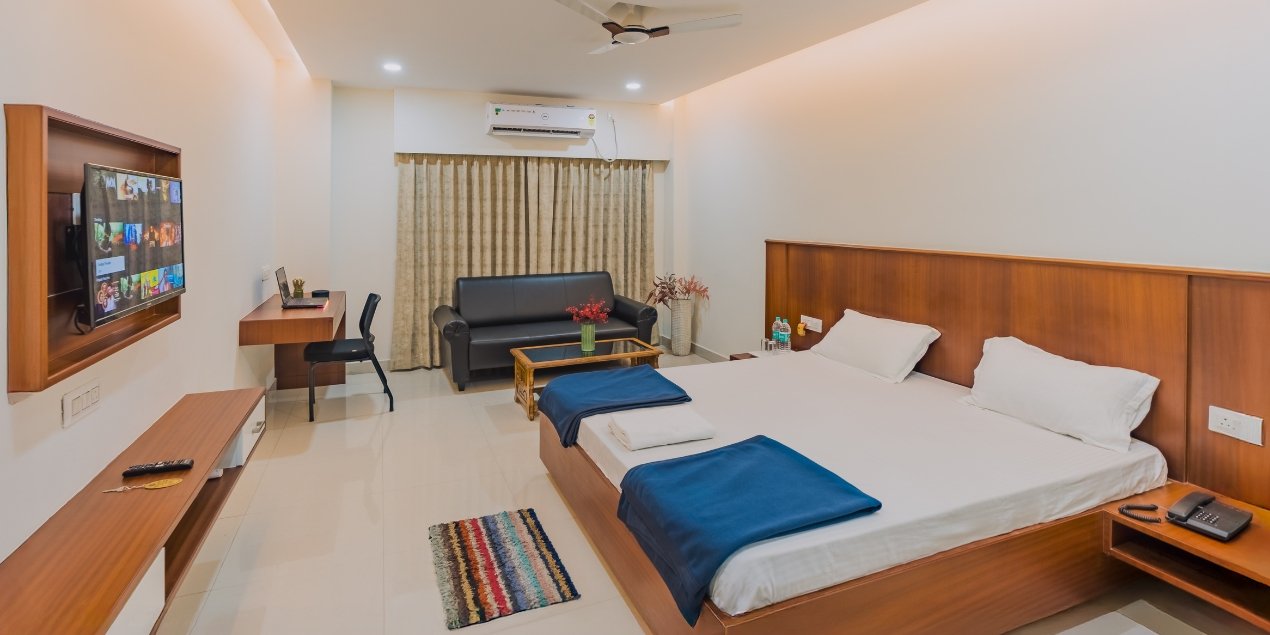
Hotel Design: Layout, Space and Flow
Good hotel design isn’t just about how a room looks in photos; it’s about how a body moves through the space over a multi-day stay. A room that photographs beautifully but forces guests to squeeze past furniture every time they move creates low-grade friction that adds up over a stay.
- Clear separation between sleeping, working, and washing areas reduces friction in daily routines
- Adequate walking space around the bed and furniture prevents the room from feeling boxed-in
- Natural light sources, or well-placed artificial light, reduce the “closed-in” feeling common in smaller rooms
- Storage that’s actually usable, not just decorative, matters more to guests than most properties assume
- Bathroom layout and water pressure are consistently among the most-mentioned comfort factors in guest feedback
- Door and window placement affects both airflow and how much outside noise reaches the room
- Furniture proportion matters as much as furniture quality; oversized pieces in a small room create the same cramped feeling as clutter
Guest Satisfaction: What Actually Drives Good Reviews
When you look at what guests actually write about after a stay, the pattern is consistent: comfort-related comments dominate over luxury-related ones. Guests rarely write glowing reviews because of a chandelier in the lobby; they write them because they slept well and felt looked after.
- Sleep quality: mattress, pillow choice, and room darkness top most review categories
- Temperature control: the ability to adjust room temperature easily is frequently cited
- Staff attentiveness: quick, friendly problem-solving matters more than a long amenities list
- Consistency: guests notice when the room matches what was promised at booking
- Quiet: noise from hallways, adjoining rooms, or outside traffic is one of the most common complaints across the hospitality industry
- Water pressure and hot water reliability: a small detail that shows up disproportionately often in negative reviews when it goes wrong
- Wi-Fi stability: increasingly treated as a baseline comfort expectation rather than a bonus amenity
Guest satisfaction, in other words, is rarely about grand gestures. It’s about a property consistently getting the fundamentals right, stay after stay, for every guest and not just the ones being shown around during a site visit. This focus on consistency is something Binayak Palace Premium builds into its day-to-day operations, rather than treating it as a one-off effort. It’s also reflected in the growing list of hotel amenities guests expect in 2026.
Comfort Requirements Diversify Based on the Nature of Stay
Guests often have diverse preferences. Identifying and meeting guest comfort expectations across different dimensions is an essential part of hospitality.
- Business travellers mostly care about a quiet room, a reliable internet connection, a functional desk, and the ability to check in and out quickly
- Guests attending weddings or events usually care about how close the room is to the function venue, comfortable communal areas, and ease of access for senior family members
- Leisure travellers weigh atmosphere, view, and overall feel more heavily than purely functional aspects
- Families value practical comforts such as extra room space, safe room design, and flexibility around mealtimes
A hotel well equipped to host various categories of guests has to address comfort in different ways — whether guests are checking in for business, a family holiday, or a wedding function, Binayak Palace Premium is designed to serve each of these needs comfortably under one roof. Read more on why business travellers prefer Kendrapara and what makes it a family-friendly hotel destination.
Common Comfort Mistakes Hotels Make
- Prioritising visual style over functional comfort (a striking room that’s hard to actually live in for a few days)
- Ignoring sound insulation during renovation or construction
- Overlooking small maintenance issues that add up in guest perception
- Using harsh or inconsistent lighting throughout the property
- Under-training staff on how to handle comfort-related complaints quickly
- Treating comfort improvements as one-time projects instead of an ongoing standard
- Focusing all the design budget on public areas (lobby, banquet hall) while under-investing in the rooms guests actually spend the most time in
Most of these mistakes aren’t expensive to fix; they’re just easy to overlook when a property is focused on décor and marketing photography instead of the lived guest experience. Fixing them usually comes down to paying closer attention to guest feedback and walking through rooms the way a tired guest would, not the way a photographer would. It’s this standard that Binayak Palace Premium is built around, from room ambience to attentive, everyday service — the same standard that shapes our clean and hygienic event venues.
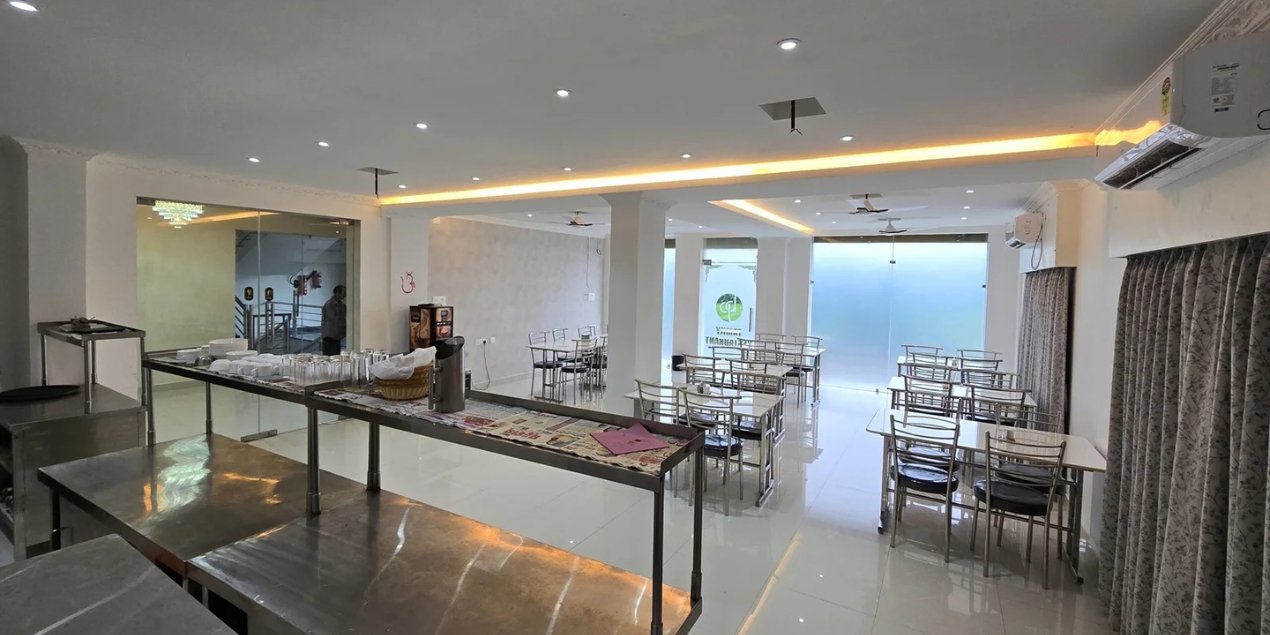
The Bottom Line: Comfort Is an Outcome of Design, Not a Random Occurrence
Having a comfortable and pleasant hotel experience is not a stroke of fortune, and not only a matter of high-quality linen or a luxurious lobby. It comes down to careful, intentional work on room atmosphere, hotel layout, staff skills, and maintenance — all put in place to guarantee that guests are made totally comfortable from the moment they check in to the moment they check out. The next time a stay feels “effortlessly” comfortable, remember that it’s usually a whole pile of thoughtful arrangements behind it, built from a series of small decisions rather than one big one.
Whether you’re planning a quick business trip, a holiday with your family, or attending a wedding, the same basic idea holds: hotels where you regularly feel comfortable and welcome are those that treat comfort as a benchmark, not a feature they announce now and then and leave forgotten. See how this plays out at one of the best hotels in Kendrapara, or browse our hotel in Kendrapara page for room details.
FAQs on Hotel Comfort
What makes a hotel room feel comfortable?
Warm lighting, good air quality, quality bedding, sound insulation, and a well-planned layout work together for a comfortable hotel stay.
Does hotel comfort depend on room size?
Not directly; smaller, well-designed rooms often feel more comfortable than larger ones with poor room ambience.
Can good service make up for average room design?
Attentive staff improve perceived comfort, but they work best alongside strong hotel design, not as a substitute for it.
How can I tell if a hotel prioritises comfort before booking?
Check reviews for mentions of sleep quality, temperature control, and cleanliness rather than relying on photos alone.
Does the season affect how comfortable a hotel stay feels?
Yes — cooling efficiency, humidity control, and ventilation planning all shift with the season and directly affect guest comfort.
Experience Comfort at Binayak Palace Premium
From thoughtfully designed room ambience to attentive staff and consistent upkeep, comfort is built into every stay at Binayak Palace Premium. Book your stay today and experience the difference for yourself.