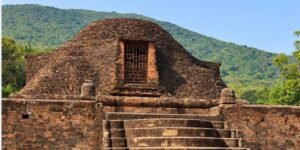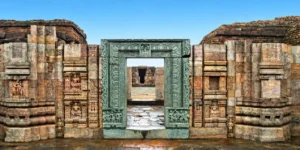
Lalitgiri in Cuttack district is widely regarded as the oldest of Odisha’s three Diamond Triangle Buddhist sites, and it is best known for the relic caskets found inside its hilltop stupa. Less crowded than many heritage stops, it combines monastery ruins, rock-cut stupas, and a well-regarded ASI museum in one compact visit.
This guide covers the history of the Lalitgiri Buddhist site, what to see, the museum, timings, entry fee, and how to reach it. Hours, fees, and weekly closures can change, so confirm the details before you travel.
Lalitgiri at a Glance
| Location | Mahanga tahsil, Cuttack district, Odisha |
| Known For | Buddhist relics, a hilltop stupa, monastery ruins, and an on-site museum |
| Part Of | The Diamond Triangle, with Ratnagiri and Udayagiri |
| Managed By | Archaeological Survey of India (ASI) |
| Typical Hours | Around 9 AM to 5 PM; the museum is reported closed on Fridays |
| Best Season | Generally October to March |
History of Lalitgiri: Odisha’s Oldest Diamond Triangle Site
Lalitgiri is the oldest of the three Diamond Triangle sites, with some writers suggesting a founding date of around the 1st century CE, though others differ. It was a Tantric Buddhist centre, and it is often linked to the ancient Buddhist monastery at Pushpagiri.
The Archaeological Survey of India (ASI) began excavating the site in 1985, partly to locate Pushpagiri, a Buddhist site mentioned in the writings of the 7th-century Chinese traveller Xuanzang. The site is described in the Memoirs of the Archaeological Survey of India and was declared a protected monument in 1937.
The mound visible today was first uncovered by Utkal University excavations in 1977, before the larger ASI programme began. The digs revealed stupas, monastery remains, and a large collection of sculpture.
Lalitgiri Buddhist Relics: Why This Site Is So Significant
The relic discovery is the reason Lalitgiri is regarded as one of the holiest Buddhist destinations in eastern Odisha.
- Two stone caskets were found inside a stone stupa atop the hill. They are recorded as the first stone caskets of this kind found in eastern India.
- Each outer khondalite stone casket holds smaller nested boxes made of steatite, silver, and gold.
- The innermost gold casket is said to have held a relic of the Buddha: a small bone fragment.
- Visitors can view the caskets on display at the site museum.
Seeing the nested caskets up close is one of the highlights of a visit, and a strong reason to spend time in the museum rather than only wandering the ruins.
Lalitgiri Museum: What You Can See
Next to the ruins is a museum holding objects recovered from the site. Visitors report around six rooms displaying statues and antiquities.
- Images of the Buddha, bodhisattvas, Tara, and Jambhala, many in the Mahayana style
- Several sculptures carrying short inscriptions
- Some standing Buddhas with shoulder drapery reminiscent of Gandhara and Mathura art
- The relic caskets, among the main highlights
Most of the sculpture excavated at Lalitgiri has been moved to the museum or other locations, so the site itself has far less sculpture on the ground than a place like Ratnagiri. Treat the museum and the ruins as two parts of the same trip.
What to See at the Lalitgiri Stupa and Ruins
The hilltop stupa, where the relic caskets were found, is the central feature of the site.
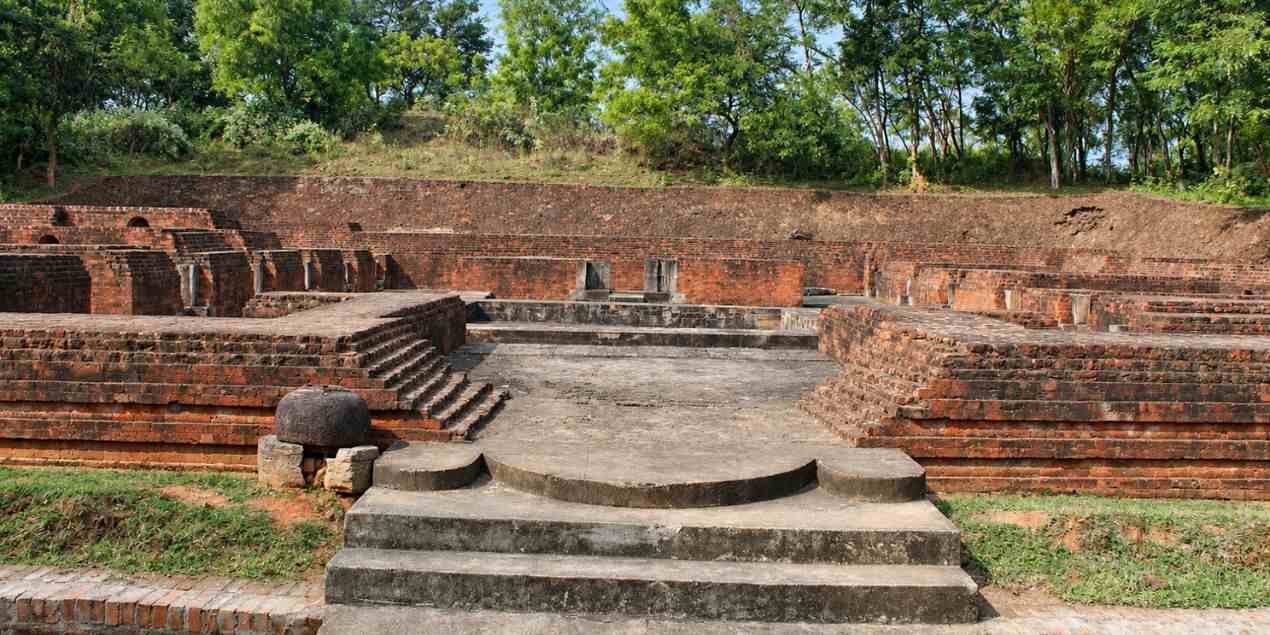
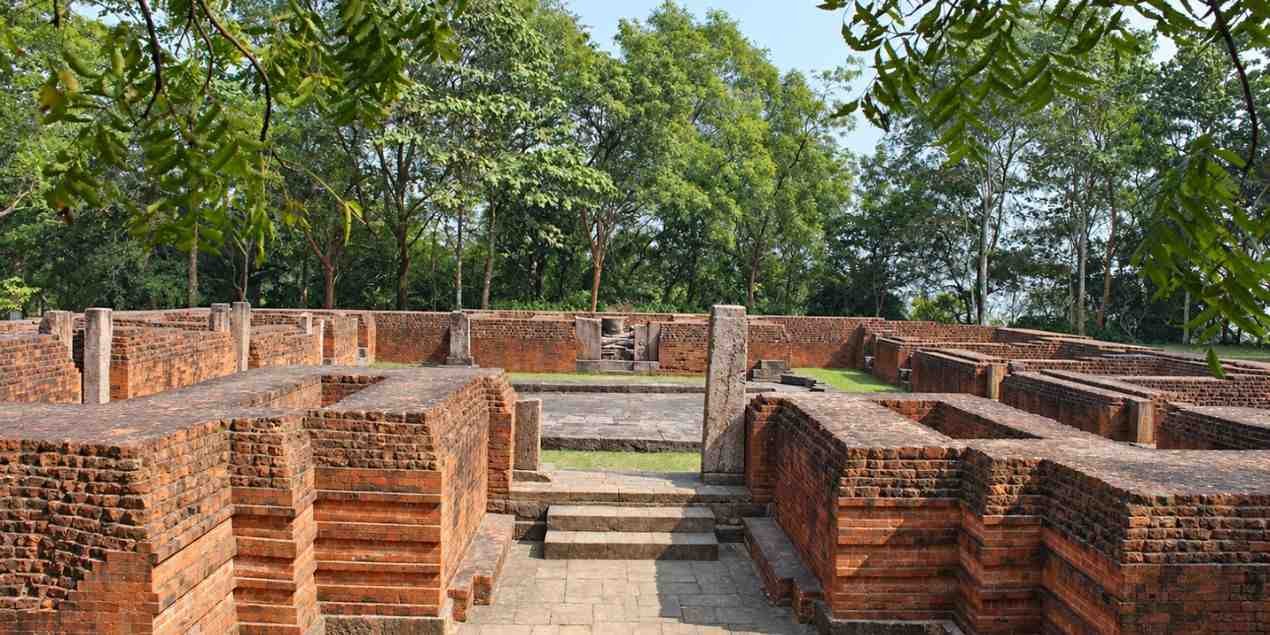
- Monastery ruins: The layout of the Buddhist monastic complex can still be traced, and other monasteries are also recorded at the site.
- Votive and rock-cut stupas: These can be seen at the summit of the mound.
- Surrounding hills and countryside: They give the site a quiet, open atmosphere.
The excavations are a short walk from the museum, so leave yourself time to climb up and take in the views.
Lalitgiri Timings and Entry Fee
Listings generally give hours of roughly 9 AM to 5 PM, with entry reported at around ₹15 for Indian visitors and ₹200 for foreign nationals. One visitor account notes that a single ticket can cover both the site and the museum, and that the museum is closed on Fridays.
- Confirm hours, fees, and the weekly closure before you travel, since they can change
- Buy tickets at the entrance, and carry cash in case digital payment is unavailable
- Plan for around two hours to cover the ruins and the museum
- Food options near the complex are limited, so carry water and snacks
Lalitgiri: How to Reach
Lalitgiri is in a rural area, so a private car or taxi is the most practical option.
- From Bhubaneswar: roughly 85 km by road
- From Cuttack: roughly 50 to 60 km, depending on the source and route
- By rail: the nearest railway station is Cuttack
- By air: Biju Patnaik International Airport in Bhubaneswar is roughly 87 to 90 km away
- By bus: the Cuttack district tourism page mentions buses on the Cuttack–Kendrapara–Paradip corridor via Chandikhol, with the last stretch covered by local transport
Check the current route and travel time on a maps app before you set off, and download an offline map, since signals can be patchy.
Nearby Places to Combine With Lalitgiri
- Olasuni caves: a short distance from the site, a small historical and religious stop
- Langudi Hill: known for its rock-cut stupas, another Buddhist site in the region
- Ratnagiri and Udayagiri: the other two Diamond Triangle sites, reported at roughly 20 km away on the district tourism page, though other guides give shorter distances
If you are planning a full Diamond Triangle day, check each site’s hours in advance.
Best Time to Visit and Practical Tips
October to March is generally the most comfortable season, with pleasant weather for walking the hill. Summer afternoons can be hot, and the monsoon can make paths slippery.
- Wear comfortable walking shoes
- Carry water, snacks, and sun protection
- Start early to fit in more than one site
- Respect the structures by not climbing on them or touching carvings
- Read the on-site information boards to get more from the visit
Planning a Heritage Trip From Kendrapara
Lalitgiri works best as part of a longer heritage itinerary rather than a brief stop. Kendrapara has the Baladev Jew Temple, local dishes like Rasabali, and serves as a gateway to Bhitarkanika National Park. That makes it easy to pair a Buddhist circuit day with temples and wildlife.
Binayak Palace Premium is one of the places to stay in Kendrapara, offering a comfortable base after a tiring day on the road, plus local familiarity to help with day-trip planning. Check the driving distance from Kendrapara when planning your day.
The Takeaway
Lalitgiri offers Buddhist relics, a hilltop stupa, and a museum that displays excavation finds. As the oldest site in the Diamond Triangle, it is a logical first stop on a heritage trip and combines easily with Ratnagiri and Udayagiri. With Binayak Palace Premium as your Kendrapara stay, the bookings and day-trip planning are easy to handle.
FAQs on Lalitgiri Odisha
What is Lalitgiri known for?
It is the oldest Diamond Triangle site, known for its relic caskets, hilltop stupa, and museum.
What are the Lalitgiri timings?
Listings generally give roughly 9 AM to 5 PM, with the museum reported closed on Fridays. Confirm before you travel.
What relics were found at Lalitgiri?
Nested stone, steatite, silver, and gold caskets were found, with the innermost one holding a small bone relic.
How far is Lalitgiri from Bhubaneswar?
Roughly 85 km by road.