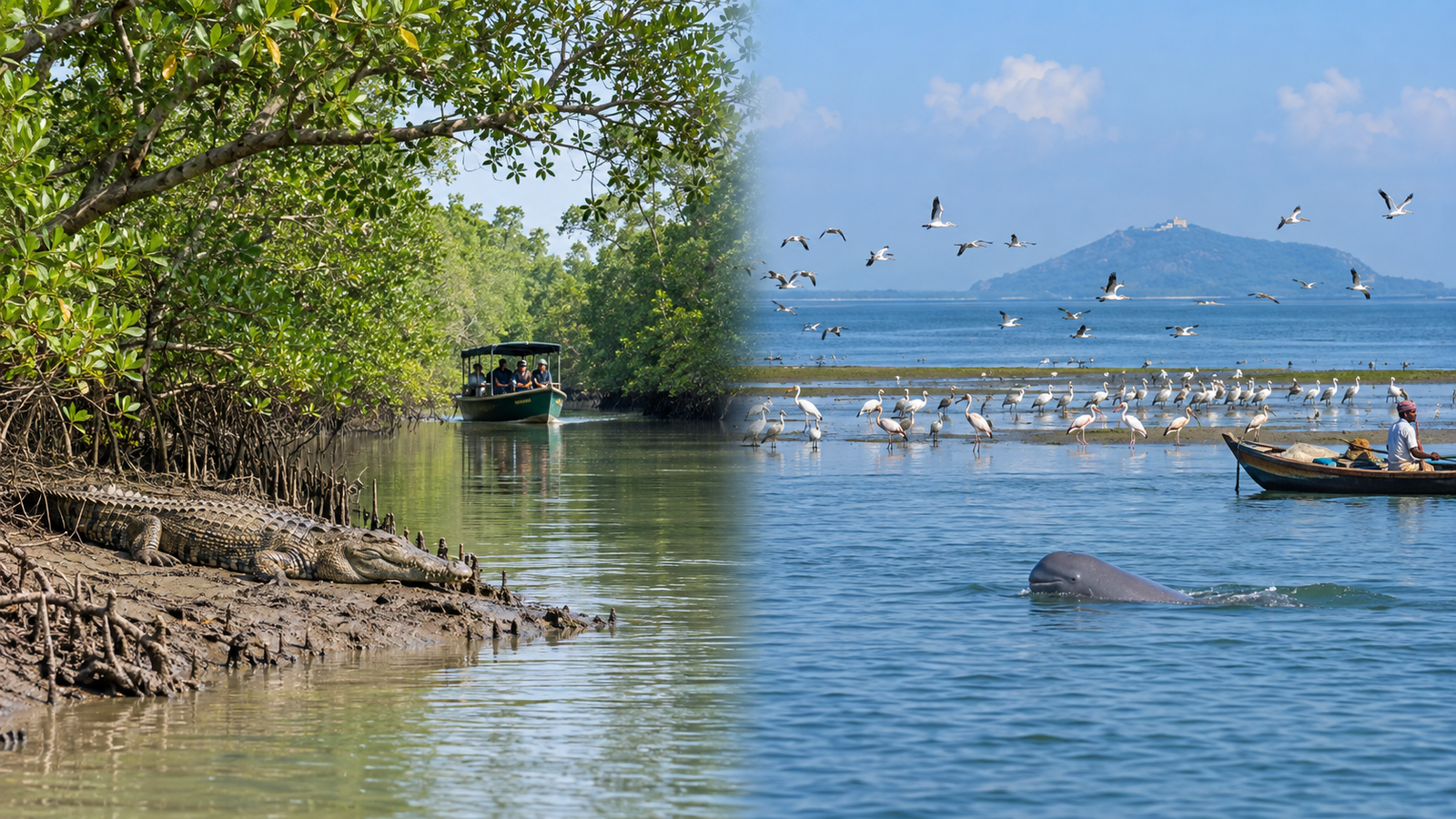
When it comes to wildlife destinations, Odisha offers two unique places that frequently feature together: Bhitarkanika National Park, which is famous for its saltwater crocodiles and mangrove forests, and Chilika Lake, which, apart from being Asia’s biggest brackish water lagoon, is also one of the places in the world to spot Irrawaddy dolphins. It’s a matter of personal preference. If you decide to go for both, there might not be much time for one trip, but if you manage to squeeze in the visit to either, it would be a great adventure.
We have done a simple review of Chilika Lake and Bhitarkanika by considering the aspects of wildlife activities, seasons, and accessibility to provide a reference for visitors to Odisha who might have a similar situation to our example, or might even be able to get to do both wildlife experiences at the same time in Odisha.
Bhitarkanika vs Chilika: Quick Comparison
| Factor | Bhitarkanika National Park | Chilika Lake |
|---|---|---|
| Signature wildlife | Saltwater crocodiles, mangrove forest ecosystem | Irrawaddy dolphins, migratory birds |
| Landscape | Dense mangrove forests and tidal creeks | Vast open brackish water lagoon |
| Best known activity | Crocodile and mangrove boat safari | Dolphin-spotting boat rides |
| Peak season | November to March | October to April (birds), year-round (dolphins) |
| Nearest major town | Kendrapara | Puri / Balugaon |
| Closure period | May 1 to July 31 (crocodile breeding season) | No formal closure |
| Trip style | Wildlife-focused, immersive nature trip | Scenic, relaxed boating with wildlife sightings |
Both destinations sit in coastal Odisha, but they’re geographically distinct — Bhitarkanika is close to Kendrapara, while Chilika is more easily accessed from Puri or Bhubaneswar, roughly 150 kilometres further south.
Bhitarkanika National Park: What to Expect
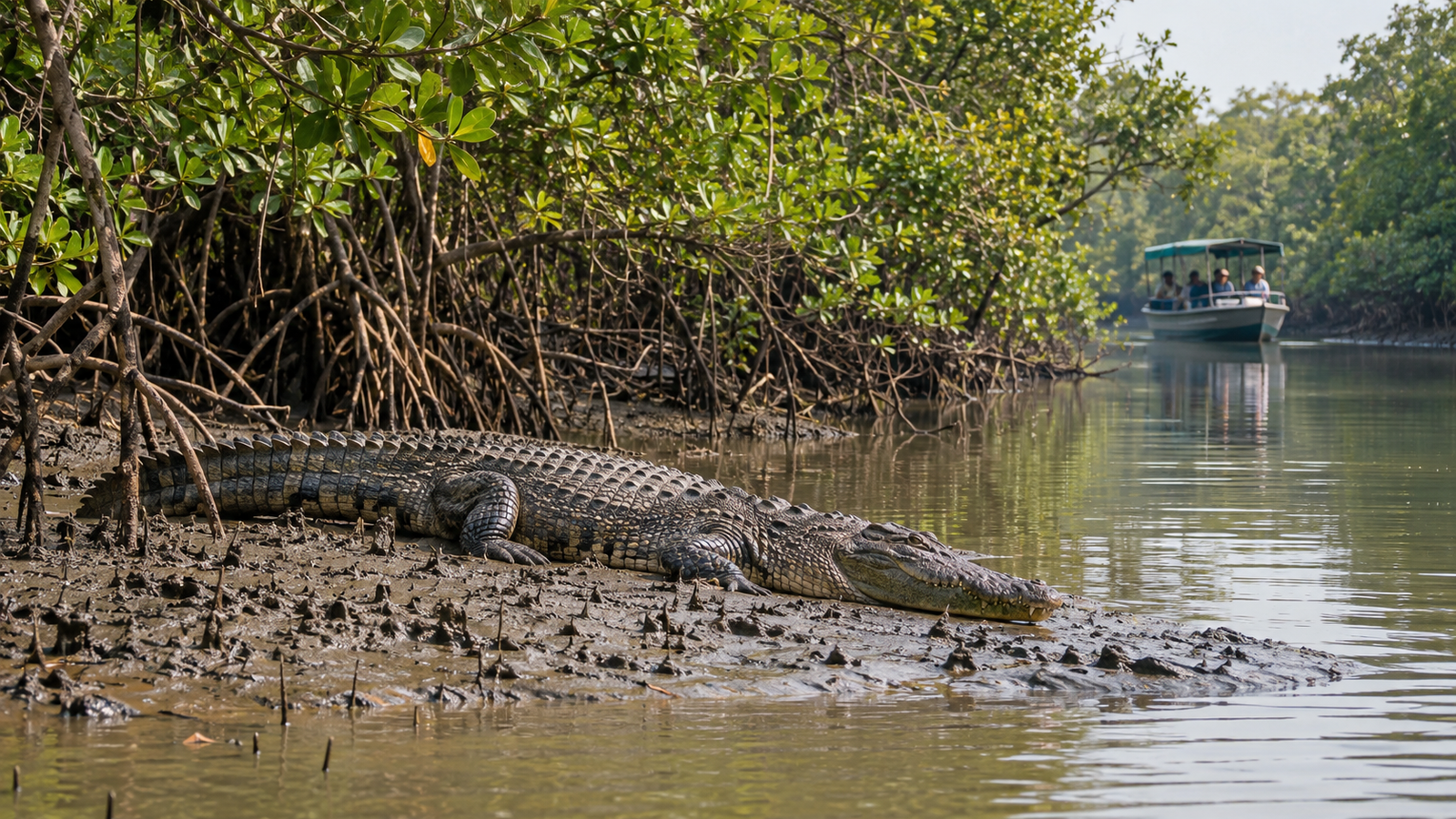
Bhitarkanika is the second-largest mangrove ecosystem in India, and its main attraction is the chance to see saltwater crocodiles in their natural habitat, along with a wider variety of coastal wildlife.
- Home to a significant population of estuarine (saltwater) crocodiles, including some of the largest recorded in India
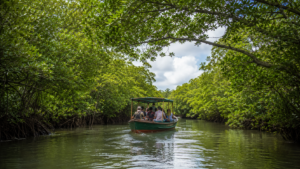
- Boat safaris wind through narrow mangrove creeks, offering a genuinely immersive wildlife experience
- Also home to spotted deer, wild boar, water monitor lizards, and a wide variety of resident and migratory birds
- Closes annually from May 1 to July 31 for the crocodile breeding season, reopening each year on August 1
- Best visited between November and March, when weather is pleasant, and wildlife activity is highest
- Additional attractions include a crocodile research and breeding centre, a mangrove nursery, and a skywalk
Bhitarkanika suits tourists seeking a more immersive experience on nature trails, with narrower waterways, more frequent wildlife encounters, and a slower, more exploratory pace.
Chilika Lake: What to Expect
Chilika is a quite different type of place; it is a big, open lagoon which is more suitable for scenic boating and for birdwatching than for tracking animals in dense forests.
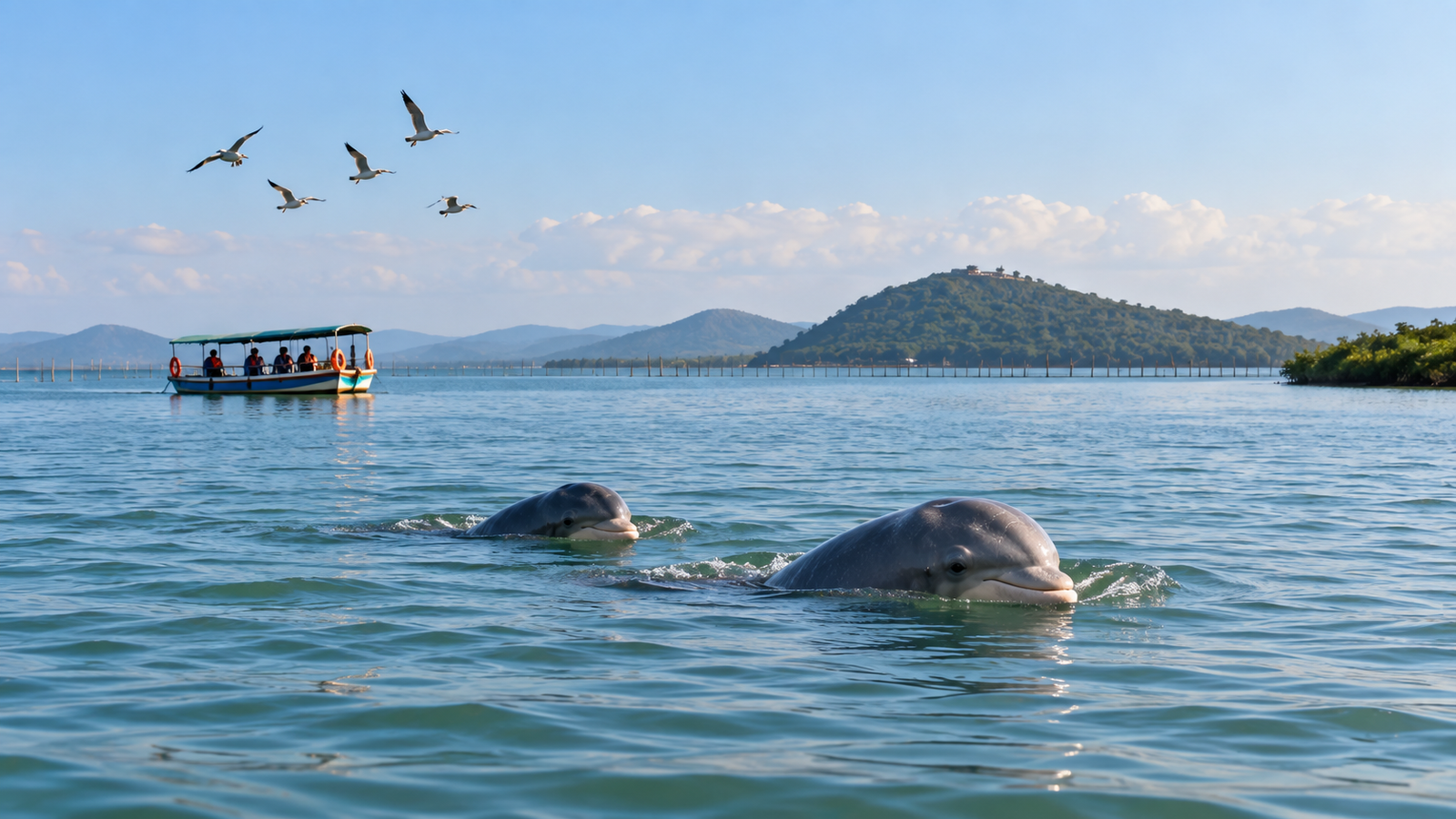
- Asia’s largest brackish water lagoon, and one of only two places in the world where Irrawaddy dolphins can reliably be spotted
- Satapada is the main hub for dolphin-watching boat trips, with sightings possible for much of the year
- Nalabana Bird Sanctuary, within the lagoon, draws over 200 species of resident and migratory birds, best seen between October and April
- Offers a more relaxed, open-water boating experience compared to Bhitarkanika’s narrow mangrove creeks
- Multiple entry points: Satapada, Barkul, Rambha, and Balugaon each offering slightly different experiences, from dolphin-spotting to island-hopping
Chilika is appropriate for tourists seeking a more scenic and relaxed kind of experience because it has open water, offers good chances of seeing dolphins, and provides excellent birdwatching during the winter migration period.
Chilika Dolphin vs Bhitarkanika Crocodile: The Core Difference
If choosing a major wildlife experience is on the cards, then one should be very precise about what a tourist can actually expect when they choose a place of destination to visit.
Chilika’s dolphins live wild, and it is quite a trick getting to see them – usually one sees them, but their appearance is never guaranteed and, to add to that, dolphins do not really show off but rather just surface for a moment and so on.
On the contrary, Bhitarkanika’s crocodiles are more commonly seen, mainly if you see them lounging on creek banks. The park is basically mangrove swamps in dense networks of waterways, which reduces the size of the area through which people can move and, because of this, leads to a higher concentration of animals around it.
You really need a silent and leisurely boat ride on the sea to enjoy these two activities – the boat engines at Chilika dolphins’ spot are switched off when the crew comes up to them to avoid disturbing them, whereas at Bhitarkanika, the crew just goes slower near places where crocodiles are known to be sunbathing so as not to be seen by them and disturbed.
People who are looking forward to taking photographs may find that the crocodiles at Bhitarkanika give them a slightly greater advantage to capture close-up shots of the animals, while then again Chilika allows one to be more creative with the use of composition and background, as one can take pictures from the open sea and include birdlife in the shots.
It may happen that neither one nor the other sighting will be a certainty, since in nature the animals are living in their free wild surroundings – but knowing about that contrast would enable you not to expect any more than the minimum when you come.
Which Destination Fits Your Kind of Trip
Beyond the wildlife itself, the two destinations tend to suit different travel styles and group types.
- Wildlife photographers and enthusiasts often lean toward Bhitarkanika, given the closer, more concentrated wildlife encounters within the mangrove creeks
- Families and casual travellers frequently prefer Chilika, since the open-water boat rides are gentler, shorter, and less physically demanding than a mangrove safari
- Birdwatchers are usually better served by Chilika’s Nalabana Bird Sanctuary during the October-to-April migratory season, given the sheer diversity of species recorded there
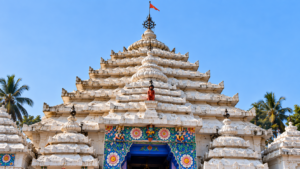
- Travellers combining wildlife with pilgrimage or heritage stops often find Bhitarkanika easier to pair with a Kendrapara-based itinerary that includes sites like Baladev Jew Temple
- First-time visitors to Odisha with limited time sometimes need to pick just one in that case, the choice usually comes down to whether crocodiles or dolphins are the bigger draw
Neither destination is a lesser choice; they simply reward different expectations and travel styles.
Best Time to Plan Your Odisha Wildlife Trip
Timing plays a bigger role in this decision than many travellers expect, since both destinations have their own seasonal patterns.
- November to March is the strongest overlap window; both Bhitarkanika and Chilika are in full swing, with pleasant weather and peak wildlife activity
- August to October works well for Bhitarkanika specifically, right after its monsoon closure ends, with fewer crowds than peak winter season
- October to April is prime time for Chilika’s migratory birds at Nalabana Bird Sanctuary
- May to July rules out Bhitarkanika entirely due to its crocodile breeding season closure, though Chilika remains open year-round
If your trip dates are flexible, aligning with the November-to-March window gets you the best version of both destinations.
The Takeaway: Two Different Trips, Not a Straight Comparison
Bhitarkanika and Chilika aren’t really competing for the same traveller. Bhitarkanika offers an immersive mangrove wildlife experience centred on crocodiles, while Chilika offers open-water scenery, dolphin sightings, and some of India’s best birdwatching. If your trip is centred on wildlife immersion, Bhitarkanika is the stronger pick; if you want a more scenic, relaxed outing with a shot at spotting dolphins, Chilika fits better. Many travellers end up choosing both, treated as separate legs of a broader Odisha nature tourism trip.
Plan Your Bhitarkanika Leg From Binayak Palace Premium
If Bhitarkanika is part of your Odisha wildlife trip, Binayak Palace Premium in Kendrapara puts you close to the park and its entry points, with local guidance to help plan your safari. Book your stay today.
FAQs on Bhitarkanika vs Chilika
Which is better for wildlife spotting, Bhitarkanika or Chilika?
It depends on the wildlife you want. Bhitarkanika offers more reliable crocodile sightings, while Chilika’s dolphin sightings are less predictable but still common.
Can I visit Bhitarkanika and Chilika in one trip?
Yes, but they’re best treated as separate legs, since they’re roughly 150 kilometres apart and located in different parts of coastal Odisha.
What is the best season to visit both destinations?
November to March offers the best overlap, with pleasant weather and peak wildlife activity at both locations.
Is Chilika open all year, unlike Bhitarkanika?
Yes, Chilika has no formal closure, while Bhitarkanika closes annually from May 1 to July 31 for crocodile breeding season.
Which destination is closer to Kendrapara?
Bhitarkanika is the closer option, making Kendrapara a practical base for that leg of an Odisha wildlife trip.