
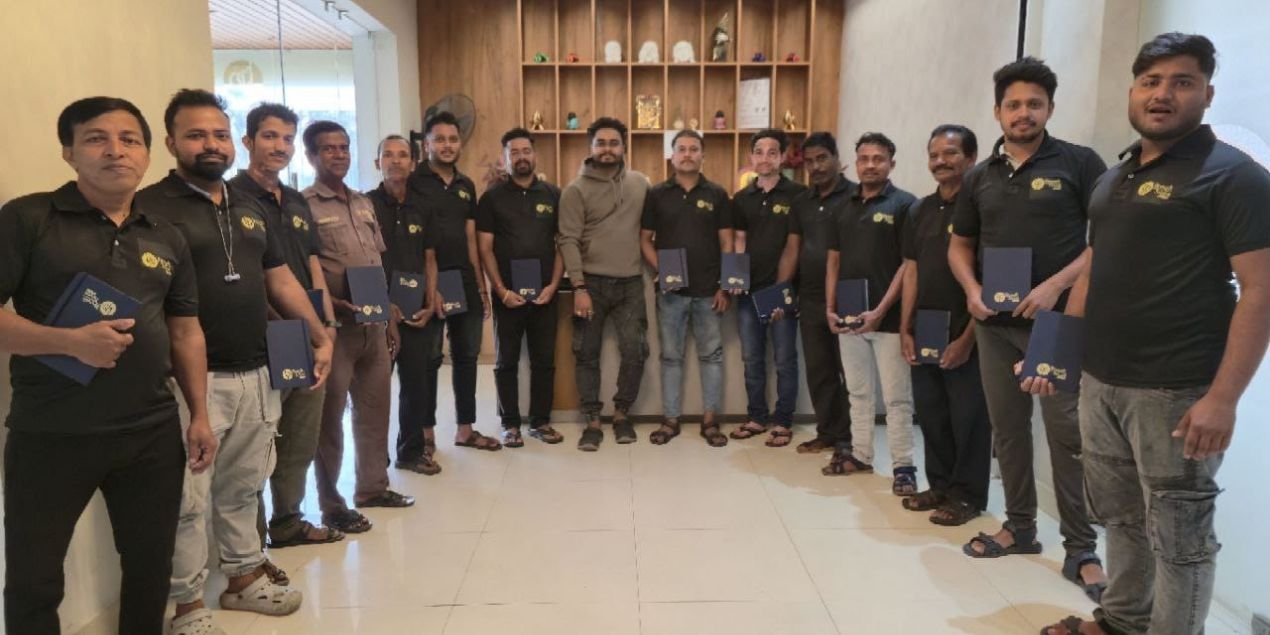
If you travel to a small town like Kendrapara, the hotel accommodation may be more than just where you stay.
The place will help you get acquainted with the local area, like the best time to visit Bhitarkanika, what local attractions to visit, and which local dishes to try, making your whole trip much more pleasant. On the contrary, if you happen to stay somewhere generic and not very knowledgeable, a hotel like that won’t help you, and you’ll be left to figure all those things out by yourself. Local hospitality in Kendrapara essentially comes down to knowledge about the place, and it’s this knowledge that a great hotel like Binayak Palace Premium has built into its guest experience. After working in and around Kendrapara long enough and learning the needs of tourists, the hotel has figured out how to genuinely help them.
What “Local Hospitality” Actually Means
Local hospitality isn’t a marketing phrase; it’s a practical difference in how a hotel operates day to day, especially in a town like Kendrapara, where tourism and events depend heavily on local knowledge.
| Generic Hospitality | Local Hospitality |
|---|---|
| Staff trained on standard procedures only | Staff familiar with local routes, timings, and customs |
| Limited guidance on nearby attractions | Practical, first-hand recommendations for temples, nature reserves, and local eateries |
| One-size-fits-all service style | Service shaped by an understanding of local wedding and event customs |
| Vendors and suppliers sourced without local context | Established local vendor relationships built over years of operating in the area |
| Guests left to research everything independently | Guests get direct, honest answers about what’s actually worth their time |
The difference shows up in small moments: a staff member who knows the fastest route to Baladev Jew Temple during festival traffic, or a front desk that can tell you honestly whether Bhitarkanika is worth a day trip given the season.
Why Odisha Hospitality Relies on Local Knowledge
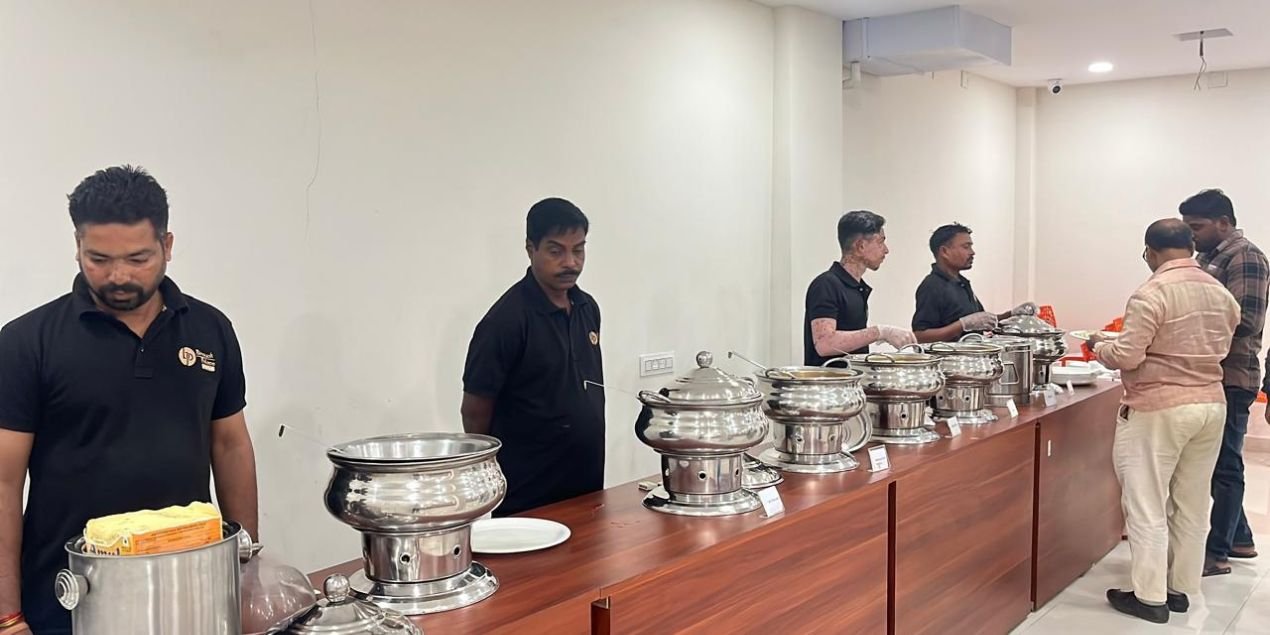
The local culture and lifestyle of the people of that land determine the spirit and soul of hospitality of Odisha. A hotel that’s part of the local life is aware of, and can easily adjust to, local changes, such as staff who know festival times and pilgrimage schedules.
- The wedding season in Odisha follows certain time-tested and well-defined rituals, from Haldi, Mehendi, and Mandap to Reception, and a local venue knows what the bride and groom’s families expect at each stage without needing lengthy explanations every time
- Seasonal travel patterns, like the months when boat safaris in Bhitarkanika forest are best, are something local staff have come across many times; it’s knowledge built from experience, not something looked up on a website
- Local taste in food means a hotel kitchen run locally is much more likely to do Odia cuisine justice, while also offering more familiar options to out-of-town guests
- If a hotel has been around for many years in the town, vendors for decoration, catering, and transportation can usually be found through the local network, which tends to be more trustworthy and efficient
What a Locally Managed Hotel Offers That Others Don’t
A locally managed hotel tends to operate differently from a larger, more standardised property, particularly in a town the size of Kendrapara.
- Direct decision making: local management can make quick calls on guest requests without waiting on approval from a distant head office
- Personal accountability: in a smaller market, a hotel’s reputation is closely tied to how it treats every individual guest, which tends to keep service standards consistent
- Flexibility with local events: locally managed properties are often more willing to adapt timings, menus, or setups to match specific family or community customs
- Long-term staff relationships: many staff members at locally run hotels have worked in the area for years, building the kind of local knowledge that benefits guests directly
- Genuine investment in the town’s reputation: a locally managed hotel has a stake in Kendrapara’s reputation as a destination, not just its own bottom line
Why Smaller Towns Benefit Most From Local Hospitality
In big cities, the difference between a locally managed hotel and one that’s part of a standardised chain is usually less noticeable, since guests have more information at their disposal and the city itself makes up for any shortcomings in local guidance. In a place like Kendrapara, though, that gap is much more significant.
- Fewer independent resources exist online for travellers researching the area in detail, so hotel staff often become a guest’s primary source of local information
- Local events like weddings and religious festivals significantly affect travel logistics, and knowing this in advance changes how a stay gets planned
- Transport options are more limited, making accurate local guidance on routes and timing more valuable than it would be in a larger city
- Guests visiting for a specific purpose, such as a wedding, a temple visit, or a Bhitarkanika trip, benefit disproportionately from a hotel that understands that purpose rather than treating every guest the same way
That’s the reason local hospitality tends to matter more, not less, as the town gets smaller, since there are simply fewer other sources for guests to turn to if the hotel doesn’t offer that kind of assistance.
Guest Experience: The Difference Local Knowledge Makes
The guest experience is the result of numerous small interactions, and local knowledge always shows up in the very instances that guests remember later.
- Arrival and orientation: a staff member who can immediately answer questions about the area, rather than reading from a generic script
- Problem-solving: local staff often know practical workarounds for issues, such as a power outage or a delayed vendor, because they’ve dealt with similar situations before
- Event coordination: for weddings and functions, local familiarity with community customs reduces the back-and-forth needed to get details right
- Day-trip planning: honest, practical advice on nearby attractions like Bhitarkanika National Park or Baladev Jew Temple, based on real knowledge of travel times and seasons
- Cultural comfort: guests travelling for local weddings or family events often feel more at ease with staff who understand the customs involved, rather than needing to explain them from scratch
These situations are not included in brochures, yet they’re usually the ones guests refer to when asked what made their stay feel easy.
What to Look for When Choosing a Hotel in Kendrapara
- Staff who can speak knowledgeably about the area, not just the hotel’s own amenities
- A track record of hosting local weddings and events, which usually reflects genuine familiarity with local customs
- Reviews that mention staff helpfulness and local guidance, not just room quality
- A property with established relationships with local vendors, which tends to translate into smoother event execution
- Willingness to accommodate specific local customs or family preferences, rather than a rigid, standardised approach
- A management team that’s been present in the area long enough to have built genuine local relationships, rather than a recently opened outpost of a larger brand
These signals are often more reliable indicators of a good stay than photographs or a long amenities list, particularly in a smaller town where the hotel’s connection to the local community matters more than it might in a big city.
The Takeaway: Local Hospitality Is a Real Advantage, Not Just a Phrase
Choosing a hotel in Kendrapara isn’t just about comparing rooms and rates; it’s about finding a property that genuinely understands the town, its rhythms, and its customs. Local hospitality that Kendrapara travellers actually benefit from comes from years of operating in the area, not a checklist of amenities. A locally managed hotel with strong local recommendations and staff who know the area firsthand tends to make the entire stay smoother, from arrival to any day trips you plan along the way.
Binayak Palace Premium has grown alongside Kendrapara itself, and that local grounding shapes everything from staff guidance to how events and weddings are hosted on-site.
FAQs on Local Hospitality in Kendrapara
Why does local knowledge matter when choosing a hotel in Kendrapara?
Local staff can offer accurate, practical guidance on temples, travel timing, and nearby attractions that generic hotels often can’t.
What’s the difference between a locally managed hotel and a larger chain?
Locally managed hotels tend to offer faster decision-making, closer accountability, and stronger local vendor relationships.
Can a locally managed hotel handle Odia wedding customs well?
Yes, familiarity with local rituals and event customs is one of the biggest advantages of a locally managed property.
How do local recommendations improve a guest’s trip to Kendrapara?
They help guests make better use of their time, from choosing the right day for a Bhitarkanika trip to avoiding temple crowds.
What should I look for to judge a hotel’s local hospitality?
Reviews mentioning staff helpfulness, a track record with local events, and genuine familiarity with the area beyond the hotel itself.
Experience Local Hospitality at Binayak Palace Premium
From honest local recommendations to a team that genuinely knows Kendrapara, Binayak Palace Premium brings local hospitality into every part of your stay. Book your stay today and see the difference firsthand.