
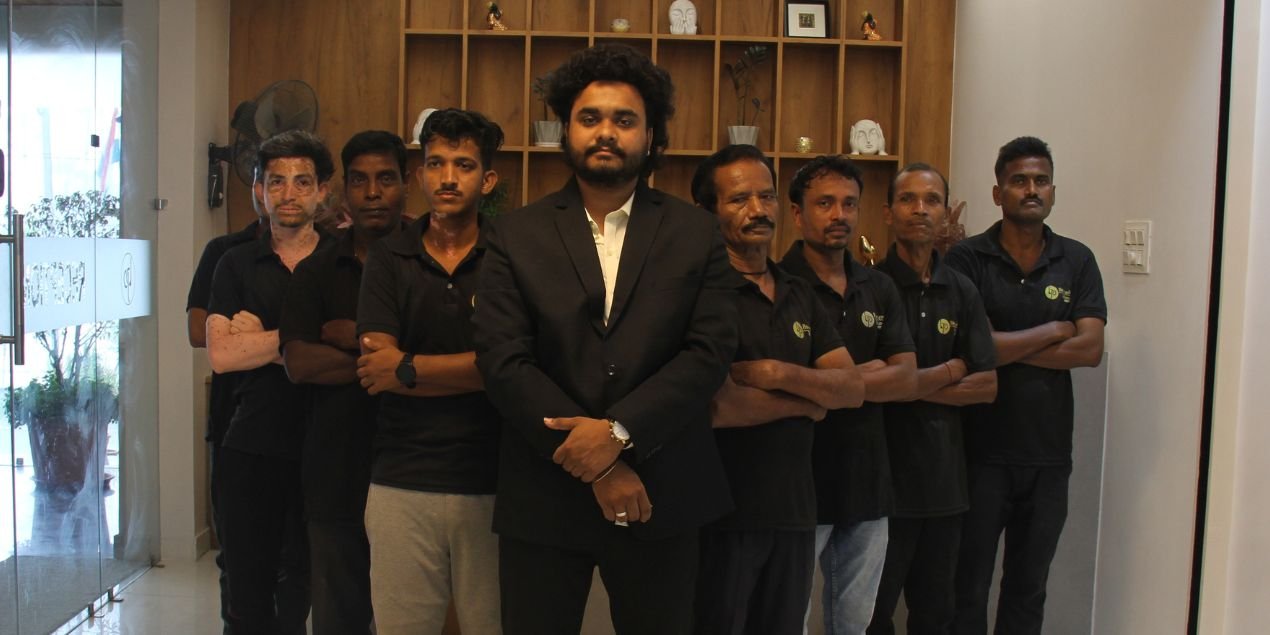
This was the view guests had: a single evening of an event, with perfect décor, timely food service, and everything just working. They were unaware that such apparent ease, which is possible, actually results from days of event preparation. The day of the event doesn’t go smoothly because of luck but because there were several coordinated teams and a detailed plan that were executed long before the first guest arrived.
Here you’ll find a list of what really happens backstage before the event, so you’ll know what to expect and what to ask when choosing a venue for your own event. An establishment with excellent event management processes, such as Binayak Palace Premium, views this part as an important element as the event itself.
Why Event Preparation Matters More Than Guests Realise
The difference between an event that feels effortless and one that feels chaotic rarely comes down to the day itself; it comes down to what was decided and confirmed in the weeks before.
| Preparation Area | Why It Matters |
|---|---|
| Venue preparation and layout planning | Determines guest flow, seating comfort, and how smoothly the event moves between segments |
| Vendor and supplier coordination | Prevents last-minute gaps in catering, decoration, or equipment |
| Staff briefing and role assignment | Ensures every team member knows their responsibility without confusion on the day |
| Timeline and rehearsal planning | Keeps ceremonies, meals, and transitions running on schedule |
| Equipment and technical checks | Catches sound, lighting, or power issues before guests are present to notice them |
| Contingency planning | Covers weather, guest count changes, and last-minute requests without visible disruption |
Skipping or rushing any one of these areas tends to show up in small but noticeable ways on the actual day: a delayed meal service, a confused waitstaff member, or a stage that isn’t quite ready when the ceremony starts.
Venue Preparation: Getting the Space Ready
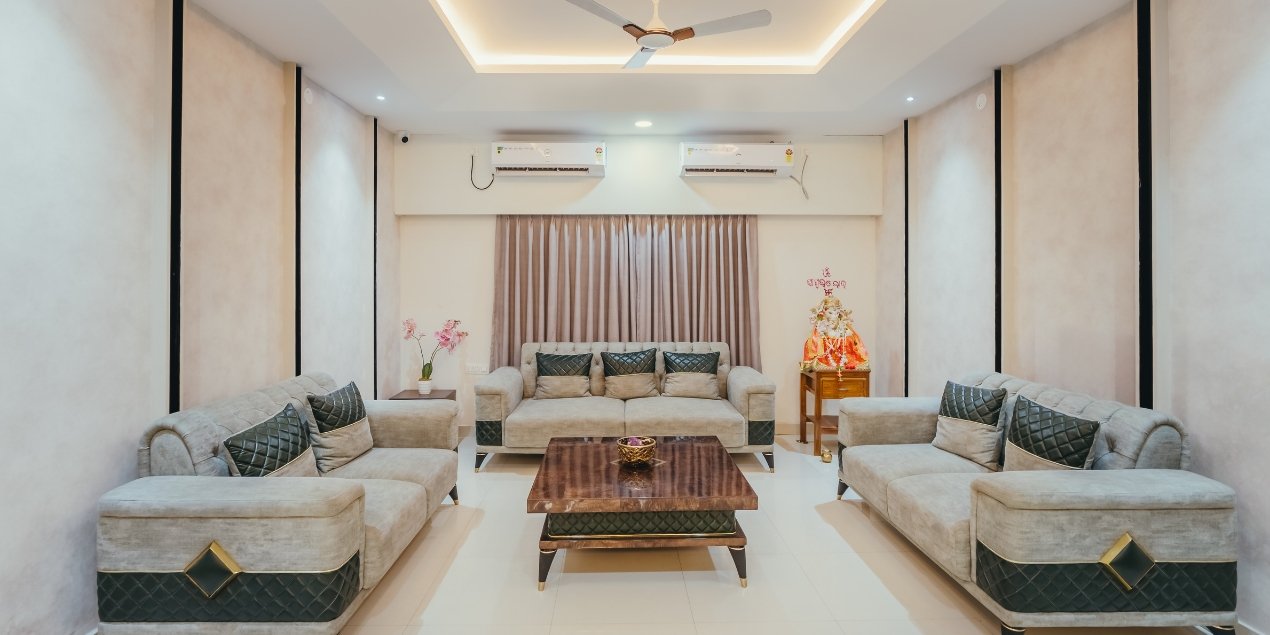
Venue preparation starts long before decoration goes up. It begins with a clear understanding of the event itself, the number of guests, the sequence of functions, and how the space needs to adapt across the day.
- Confirming final guest count and adjusting seating and table layout accordingly
- Walking the space to check flooring, lighting fixtures, and air conditioning ahead of setup
- Mapping out guest flow between different zones: entrance, seating, dining, and stage areas
- Coordinating with decorators on setup timing so nothing overlaps with other event preparations
- Testing power backup and emergency systems, especially for events running into the evening
- Reviewing accessibility for elderly guests or anyone with mobility needs
A venue that’s handled dozens of similar events usually has this sequence down to a routine, which is part of why experienced properties can accommodate last-minute changes without the stress showing on the day. Venue preparation also includes coordination with external vendors who need access to the space before guests arrive; florists, lighting technicians, and sound teams all need a clear setup window that doesn’t overlap or create last-minute congestion backstage.
How Preparation Differs across Event Types
Clearly, events come in all shapes and sizes, and naturally each will have its own preparation checklist, and event managers should understand that different occasions have their own priorities and that certain parts of the process matter more than others.
Weddings, for sure, given the high emotional stakes and the various ceremonies the family has to be involved in, need the most exhaustive preparation and time planning. Corporate events, then again, place more emphasis on technical aspects, such as audio-visual gear, presentation setups, and a stable Wi-Fi connection, while decorations are considered secondary.
A birthday or a family get together event should require more adaptation during the event, since the timelines may change from what was originally planned. Bigger receptions are tougher for buffet services to handle, since maintaining the same pace of service without compromising quality remains a bigger challenge at scale.
By identifying these variations, a venue can match the correct resources to the right priorities, rather than applying a one-preparation-fits-all approach to every event.
Banquet Operations: What Happens in the Kitchen and Service Areas
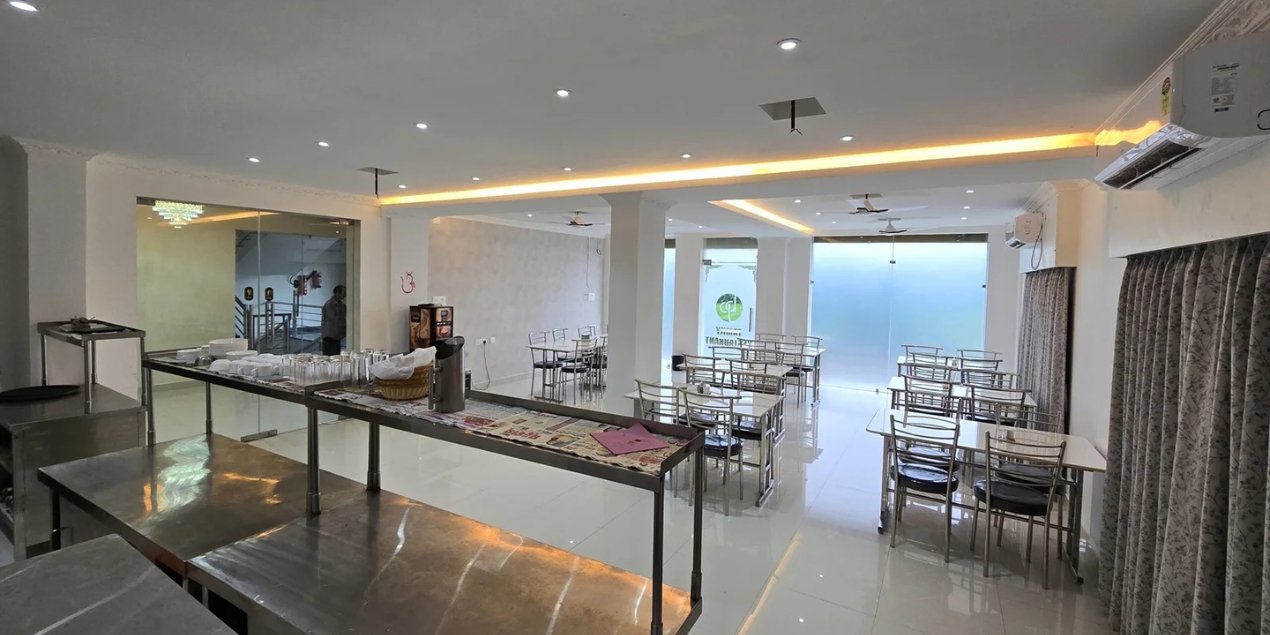
While guests focus on the ceremony or the décor, banquet operations are running a parallel timeline that has to sync precisely with everything happening in the main hall.
- Menu finalisation and ingredient sourcing completed well ahead of the event date
- Kitchen prep scheduled in stages so food quality and freshness peak at serving time
- Staff assigned to specific service stations rather than working ad hoc
- Live counters and buffet stations tested for flow before doors open to guests
- Dietary requirements and special requests flagged and communicated to kitchen staff in advance
- Clean-up and turnover planning for events with multiple functions in a single day
Banquet operations are one of the least visible parts of event planning, but they’re also one of the most common places where guest satisfaction is won or lost. A delayed or disorganised meal service is remembered long after the décor is forgotten.
Hospitality Staff: Training and Role Clarity
An event only succeeds with efficient, well-organised team members as much as it does with solid scheduling. Staff who clearly understand their role, and who have been given detailed updates for the event, make the most difference to the guests.
- Briefings that not only cover the role of each staff member but also go through the entire event timeline to provide perspective
- Making clear who answers complaints, who seats guests, who serves, and who coordinates with outside service providers
- Staff getting familiar with a particular family or individual’s preferences and any special instructions to be followed
- Plans of action for backup staffing in case last-minute no-shows come along
- Regular contact maintained through a coordinator throughout the event to minimise visible problems
The most well-staffed events are the ones guests never take time to consider; they only recall when something didn’t go as expected. It’s very noticeable when a waiter is clueless or the registration desk is unattended, whereas the kind of unobtrusive service where everything runs smoothly remains an experience guests may never fully notice, but still appreciate.
Event Execution: The Final Days and Hours
In the final 24 to 48 hours before an event, preparation shifts from planning to execution. This is when small details get finalised, and last checks happen across every team.
- Final headcount confirmation with catering and seating teams
- Complete venue walkthrough to confirm decoration, lighting, and layout match what was agreed
- Sound and audio-visual equipment tested with actual event content, not just a generic check
- Staff assignments finalised and communicated, including designated roles for the day itself
- Weather contingency plans activated if any part of the event is outdoors
- A final coordination meeting bringing together venue, catering, and decoration teams before doors open
This final stretch is where event preparation either pays off or falls short. Venues with a consistent execution process tend to handle even unexpected changes, such as a sudden weather shift or a guest count adjustment, without guests ever noticing the scramble behind the scenes. It’s often this final window, more than any single planning meeting weeks earlier, that determines whether an event feels effortless or rushed.
The Takeaway: Great Events Are Built, Not Just Hosted
You don’t usually hear that one big decision is the reason an event is a hit. The result is a combination of venue preparation, coordination of banquet work, hospitality staff briefings, and strict monitoring during event execution, all things that come together in the final hours before the event.
Guests who simply show up and immediately sense that everything’s going well are enjoying the rewards of a process that started far before that moment. This is precisely the type of event planning that Binayak Palace Premium delivers: teams coordinated in such a way that, regardless of the event type, the preparation stays unseen and the event itself feels effortless.
FAQs about Event Preparation
What is the most crucial part of event preparation?
Preparation works best when venue, catering, and staffing timelines are aligned with one another rather than planned in isolation.
How soon should one begin event planning?
Most planning starts several weeks ahead, with final preparations and verification completed one or two days before the event.
How vital are hospitality services during an event?
Guests rarely mention the staff; it’s usually only when something goes wrong that the missing staff element gets noticed. Hospitality staff are trained to handle both guest needs and last-minute issues calmly and efficiently.
How do hotels cater to sudden changes during events?
Through constant communication, a single coordinator manages timing and resource changes across the entire event as they happen.
Host Your Next Event at Binayak Palace Premium
We take upon ourselves the tasks of venue preparation, coordination of banquet operations, and day-to-day coordination so that your event runs smoothly and you get to enjoy it. Why not pick up the phone right now and fix a date for your event so that we can handle all the background work?